From the Fireline to the Dugout: Alli Schroder on Palm Cooling
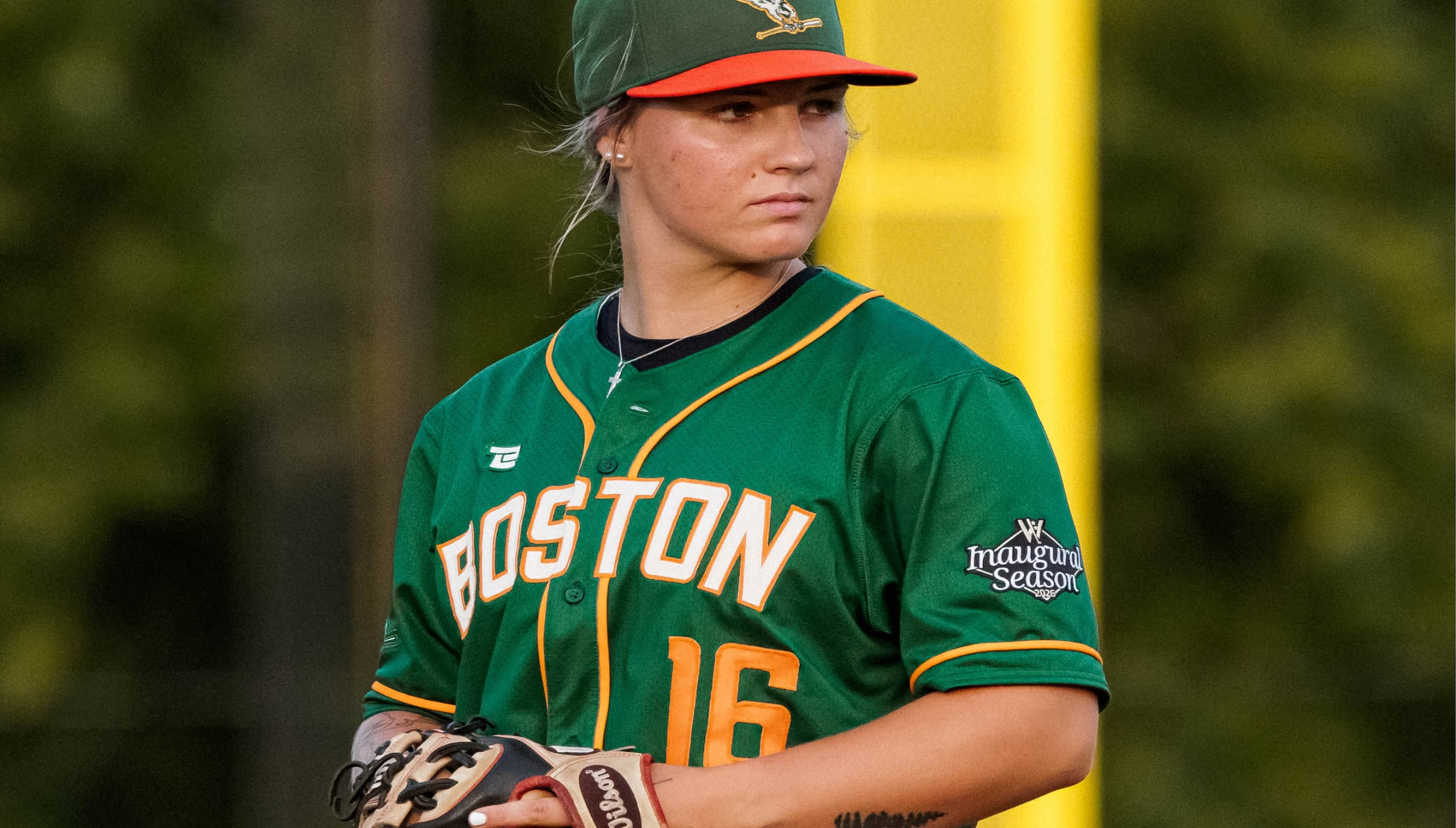
We often talk about palm cooling in two separate worlds. In sports performance, it helps athletes recover between efforts and sustain intensity late in the game. In occupational heat safety, it helps workers manage heat strain on long shifts. Alli Schroder lives in both.
Alli is a wildland firefighter and a professional baseball player. In the summer, that means long days on the fireline in protective gear and long days on the field. The work is different but the heat is the same, and so is the way her body handles it.
"I'm a wildland firefighter and professional baseball player, so I spend a LOT of time working and competing in the heat. I've used the Narwhals on the fireline, during long training days, and on the baseball field, and they've quickly become something I don't want to be without."
Her story is a good way to show why palm cooling can do both jobs.
One Heat Problem, Two Arenas
The hotter it is, the harder it is to perform at our highest level, whether that means cutting line on a slope or throwing a fastball in the sixth inning. Heat causes fatigue by:
- Raising core body temperature, which elevates heart rate.
- Sending more blood to the skin surface, leaving less for working muscles.
- Inhibiting muscle pyruvate kinase, the enzyme required to produce energy.
- Intensifying perspiration and electrolyte loss.
On the fireline, protective clothing traps heat and makes sweat less effective. On the field, the challenge is staying sharp and strong across a long game in the summer sun. In both cases, the body needs a faster way to offload heat.
Why the Palms?
Palm cooling uses the body's natural radiators to remove heat. Our palms, cheeks, and soles of the feet contain vasculature called arterio-venous anastomoses (AVAs), which are responsible for full body temperature control. These special vessels are direct connections between arteries and veins. When we get hot, these areas can experience up to 10X the blood flow compared to other skin areas.
It is not as simple as holding ice. Temperatures below about 50°F cause vasoconstriction, which closes off those vessels and traps heat inside. To turbo charge this naturally occurring system, effective palm cooling requires the 3 Cs:
- Cool-not-Cold: Hold something that is 50–60°F (10–15°C).
- Conductivity: Use a material that transfers heat away from the hand quickly.
- Continuous heat removal: Keep the surface from warming up as it absorbs heat.
The physiology is the same whether you are fighting a fire or pitching.
On the Fireline: More Work Before Heat Ends the Shift
For firefighters, the benefit of palm cooling is working safely longer. In Selkirk, McLellan & Wong (2004), published in the Journal of Occupational and Environmental Hygiene, 15 Toronto firefighters worked in the heat (35°C, 50% humidity) wearing full protective clothing and breathing apparatus. They alternated 50 minutes of work with 30 minutes of rest until they reached a core temperature or heart rate safety limit.
During rest, researchers compared three strategies: submerging the hands and forearms in water, a mister, and passive rest. Hand and forearm submersion came out on top:
- Total work time rose about 60% compared with passive rest (about 125 vs. 78 minutes).
- Core temperature dropped about 0.4°C during the first rest break, while it kept rising with passive rest.
- Heart rate and core temperature climbed more slowly through the rest of the trial.
The firefighters in this study wore structural turnout gear, which is heavier than what wildland crews wear. But the problem is the same: gear and long hours limit how well sweat can cool the body. Water immersion is hard to set up on a fireline, which is why we designed the Narwhals to bring the same principle to a device you can carry. Read more about heat stress in the fire service.
On the Mound: Holding Velocity and Strength Late in Games
For pitchers, the benefit of palm cooling is sustaining velocity, accuracy, and arm strength deep into a game. We covered this research in detail in Does Palm Cooling Help Pitchers?, and two studies stand out.
Lin, Huang & Cai (2025), Journal of Human Kinetics. Twenty-two Division II baseball players threw five sets of 10 maximal fastballs with 3 minutes of rest between sets. During rest, they either did nothing or immersed both hands in 50°F (10°C) water for 2.5 minutes. The players who could tolerate the cool temperature threw with higher average and peak velocity and better accuracy after cooling.
Miyashita et al. (2022), Journal of the Japanese Athletic Trainers' Organization. Eight college players with baseball backgrounds did nine sets of maximal shoulder exercise, with 5 minutes of rest between sets to mimic nine innings. Without cooling, shoulder strength dropped significantly in later sets. With their non-throwing hand cooled during each rest, strength held steady across all nine sets.
Built for Both
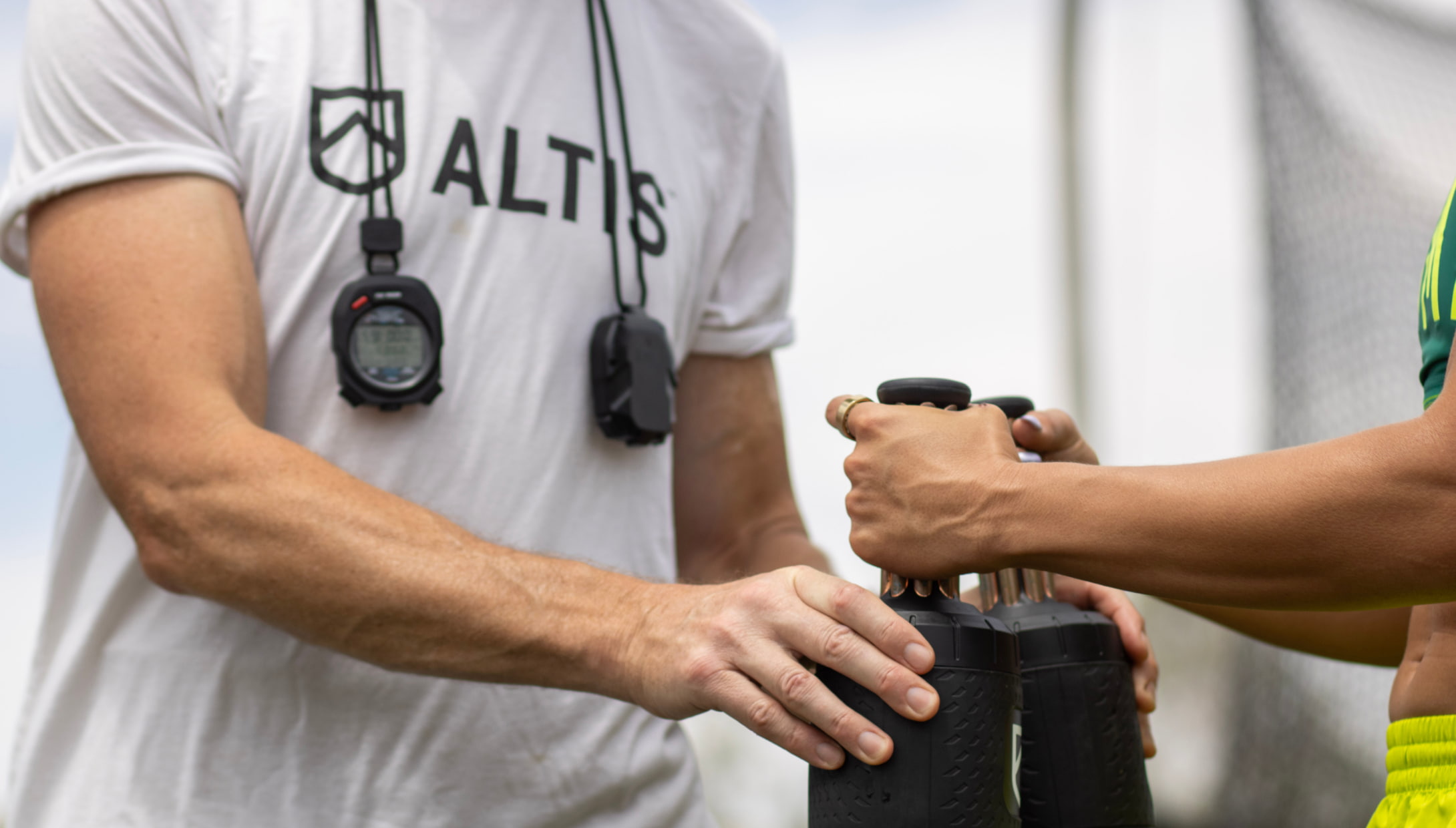
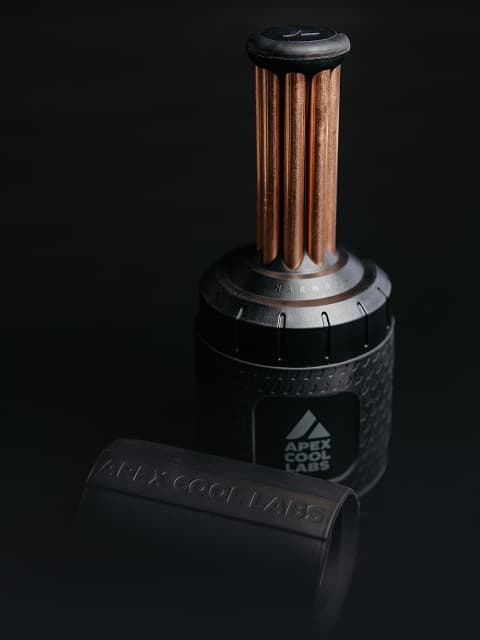
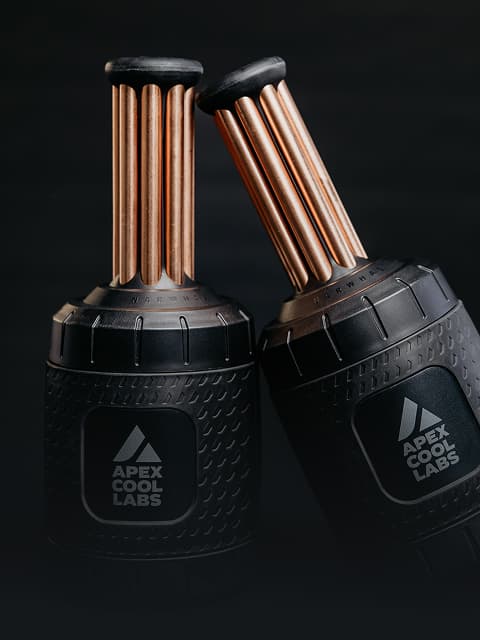
The studies above used water baths. That works in a lab, but not on a fireline or in a dugout. We designed the Narwhals to bring Cool-not-Cold palm cooling anywhere. They stay within 50–60°F (10–15°C) for about 2 hours, have no moving parts, and have nothing to charge. The "tusks" are made of heat pipes, which have 100X the thermal conductivity of copper, and constantly whisk heat away.
For Alli, the deciding factor was that they fit how she already works:
"When you're spending hours working hard in the heat, having something that can help cool you down quickly is huge. I love that the Narwhals are simple, minimal, and don't interfere with what I'm doing. I can use them when I need them, and get right back to working or playing."
How to Use Palm Cooling in Both Settings
- Between innings (3–5 minutes): Helps cool the body and supports arm strength and velocity late in games.
- Between sets on training days (2–3 minutes): Helps sustain training volume.
- Heat mitigation / incident rehab (10+ minutes): About 10 minutes can lower core body temperature ~0.5°C.
For more timing guidance, see 3 Common Palm Cooling Use Cases & Protocols.
"What really sold me on them, though, is that this is a product I GENUINELY use, not just something I'm putting my name behind online. I'm incredibly minimal about the gear that comes to work and into the dugout with me, and these have earned a permanent spot in my routine."
We built Apex Cool Labs to support first responders and athletes, and Alli is living proof that they have more in common than it may seem. The heat on a fireline and the heat on a ball field both push the body to work harder.
"I am STOKED to support Apex Cool Labs and the mission behind their brand: supporting first responders and athletes alike. Whether you work outside all day, train, compete, or just find yourself in heat-intensive environments, I'd absolutely recommend giving the Narwhals a try."
Thank you, Alli, for bringing us on the fireline and in the dugout. We are honored to be a part of your toolkit!