What Your Heart Rate Is Telling You About Heat
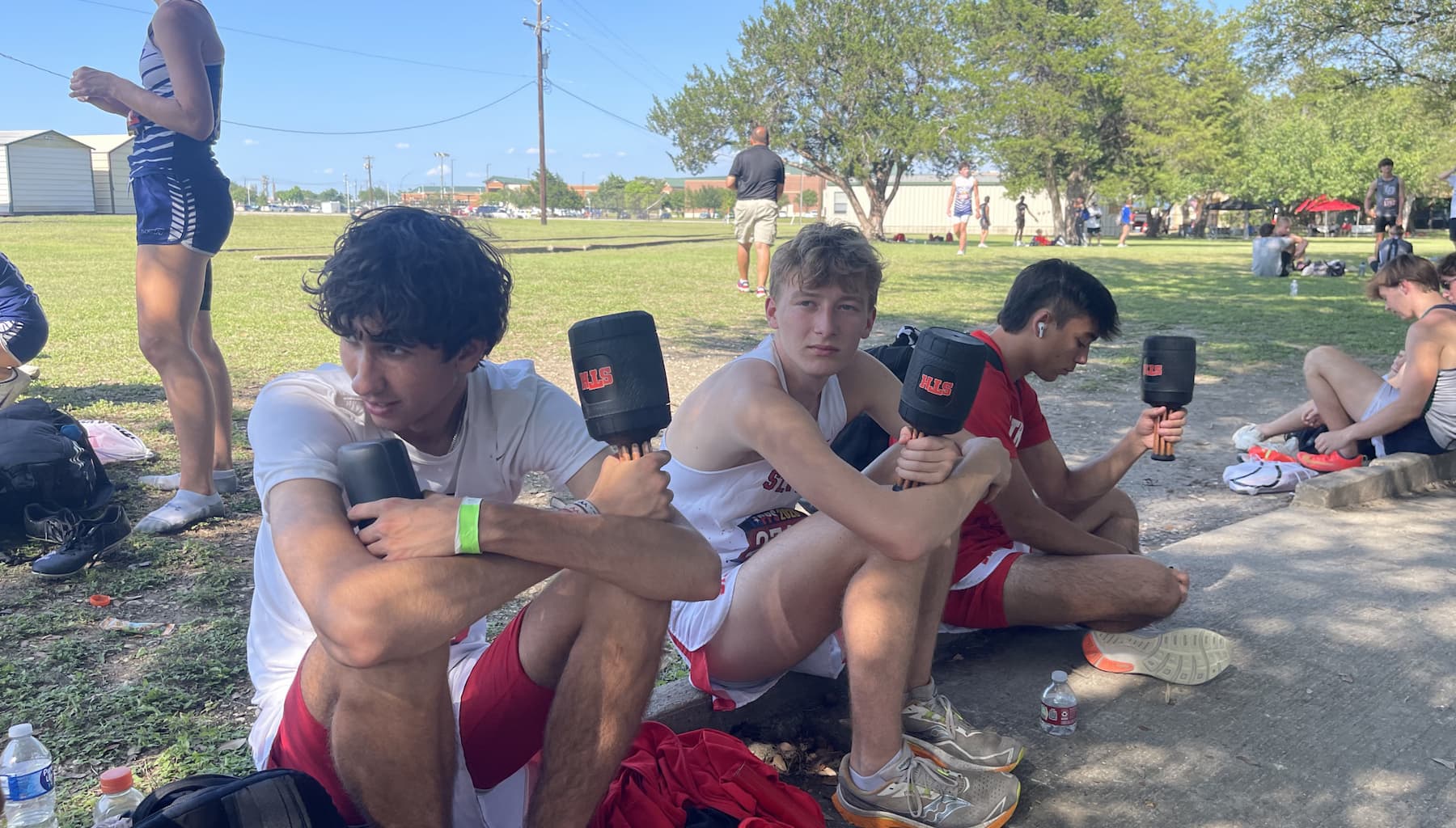
If you work or train in the heat, you have seen and felt this pattern. Your heart rate climbs in ways that effort alone does not explain. The workload may look the same as on a cooler day, but the number on your heart rate monitor tells a different story.
When body heat begins to climb, one of the first reactions is to send more blood toward the skin surface. This rerouting of blood flow is how we begin to shed heat — like coolant flowing out of a car's engine block to the radiator. But that blood has to come from somewhere, and your heart has to work harder to keep enough blood flowing throughout your circulatory system. Inevitably, heart rate climbs. Not because the work got harder, but because your body is carrying extra heat.
A new NEJM Evidence review (Murphy et al., April 2026) examines the physiological mechanisms that underlie exertional heat illness (EHI) and the effects of heat stress on the exercising heart. This timely review frames heat illness within its cardiovascular implications, which explain why heat hurts performance and creates such significant safety risks. The cardiovascular responses to heat also explain the underlying reasons why palm cooling works.
Why heart rate climbs in the heat
When your body heats up, the heart and blood vessels promptly react. Murphy and colleagues describe what happens:
- Blood goes to the skin. Blood vessels at the surface open up so the body can radiate heat outward. This flow to the skin explains why people get flushed when hot.
- Sweat pulls fluid from the blood. Sweat sheds heat as it evaporates, but it also drains water from the blood, leaving less fluid to return to the heart.
- The heart compensates by speeding up. Each beat now moves a little less blood, so the heart beats faster to keep total flow up.
- Muscles have to share. Both the skin and the working muscles are demanding blood, so they start to compete for it, making the heart work harder to keep up.
The numbers Murphy cites are striking. At rest in a cool environment, the body sends about 0.3 liters of blood per minute to the skin. Under heat exposure, cutaneous blood flow can climb to 7–8 liters per minute. And during exercise in the heat, heart rate can run 30 to 50 beats per minute higher than the same workout in cooler conditions.
Why the palms are the body's radiators
Most of our skin has tiny capillaries networks connecting arteries and veins. Our palms, cheeks, and soles of the feet have a different structure: short, direct connections between arteries and veins called arterio-venous anastomoses, or AVAs. Where these shortcuts are present, they allow significantly more blood to flow than through other skin areas. When we get hot, the body uses AVAs like radiators to dump heat rapidly.
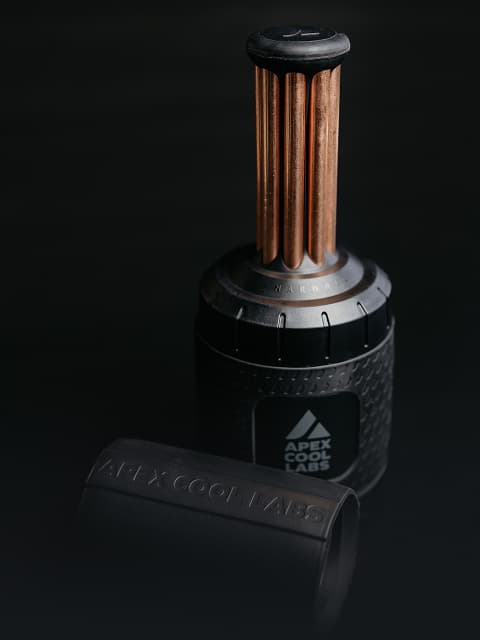
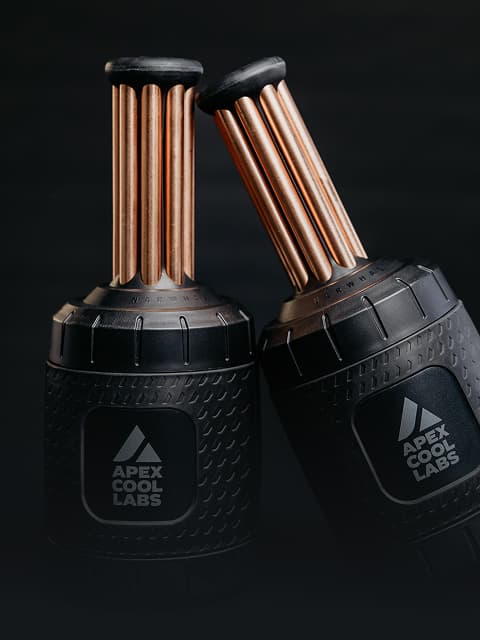
We can amplify the cooling power of the palms by holding a cool object to draw heat out faster. But this trick isn't as simple as holding ice. The blood vessels in the skin constrict when they get too cold, closing the AVAs and shutting off the extra blood flow. To take advantage of the body's natural radiators, we want to hold something Cool-not-Cold, with 50–60°F (10–15°C) being the sweet spot. (See Palm Cooling Explained for a deeper explanation of this technique.)
What's at stake in the short and long term
Even when a heat event doesn't escalate to an emergency, it costs performance. Murphy documents performance declines ranging from 3% to more than 25%, depending on the effort’s intensity, the duration, and heat of the environment. The clearest data come from endurance sport: in a study of 382,000 Boston Marathon runners, every 1°C above the optimal race-day temperature added an average of 1 minute and 47 seconds to finishing time. Heat also slows reaction time and impairs attention and decision-making, likely because the brain itself is competing for the blood being redirected to the skin.
Performance loss is the most common toll. The most serious consequence is mortality. Murphy notes that exertional heat stroke (EHS) is "consistently identified as a leading cause of nontraumatic sudden death across athletic, military, and occupational populations." In a 20-year study of U.S. high school and college football, EHS accounted for 23.6% of nontraumatic fatalities — averaging more than two deaths every year, most during preseason before athletes were fully acclimatized.
The long-term data is also extremely alarming. A 2007 study compared nearly 4,000 U.S. Army soldiers hospitalized for severe heat illness with more than 17,000 soldiers hospitalized for appendicitis as a control group. Both groups were followed for decades. The soldiers with prior heat illness had roughly 40% higher death rates overall, with greater risk of dying from heart-related causes.
While these are observational signals, not certainties, they reframe what recovering from a heat event means because a single severe episode may predispose someone for additional risks long after exposure.
What practitioners can do
Murphy is clear about methods to reduce risk. Heat acclimatization or gradually getting the body used to working in hot conditions is the single most effective way to reduce strain. People who are acclimatized have a lower resting heart rate, a lower exercise heart rate, and a lower core temperature for the same workload.
After acclimatization, the next two biggest levers are aerobic fitness and adequate fluid replacement. Murphy also names a factor that is difficult to put on a training plan: behavioral override. Athletes, soldiers, and first responders often push past early warning signs to finish the job. This override masks warning signs and makes practical tools to manage heat essential.
An important note: although sweat is our most powerful cooling mechanism, the ability of perspiration to cool us down is severely compromised by high humidity or being covered by insulating gear. Under these conditions, acclimatization and fluid replacement may not be sufficient to combat the heat.
Where palm cooling fits
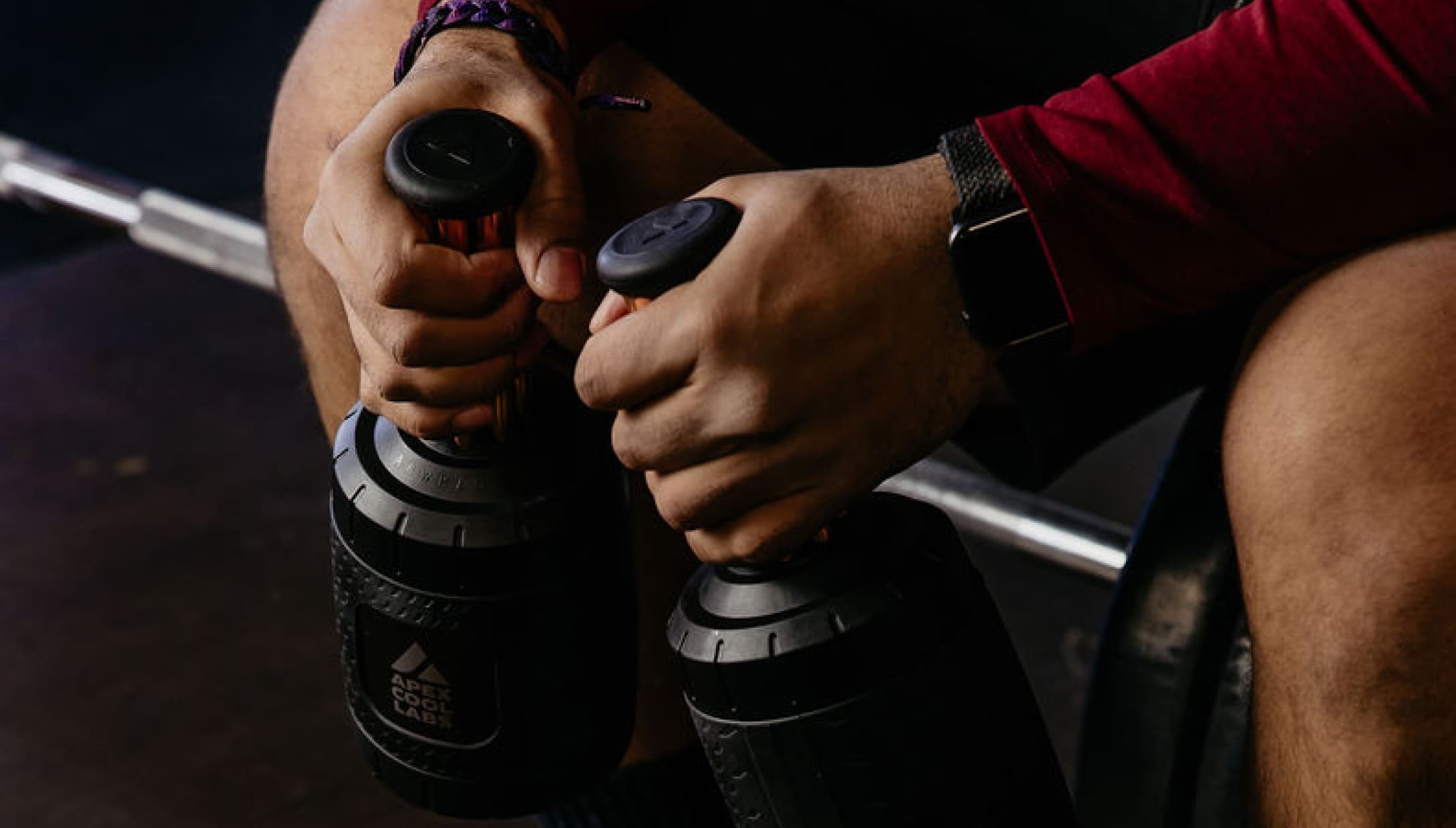
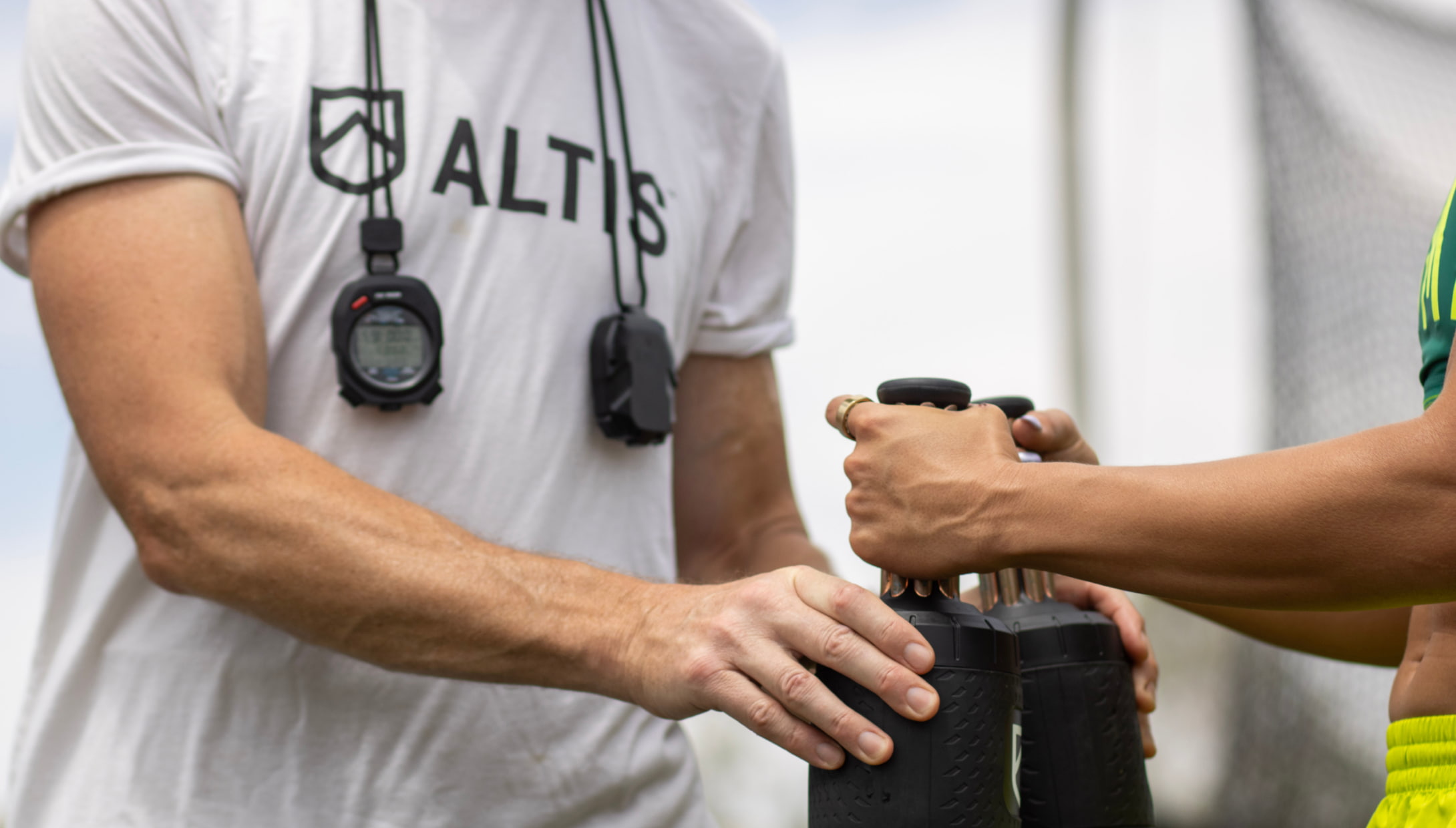
Palm cooling is a performance tool for cooling off and recovering during physical activity, before heat becomes a problem. It is NOT an intervention for heat stroke. It works by cooling the extra blood flowing through the AVAs: cooling the palms cools the blood, which cools the body from the inside out. Given how the body responds to heat, it is unsurprising that the first thing athletes notice when they palm cool is faster heart rate recovery.
Here are some common palm cooling protocols for athletic, tactical, and industrial use cases.
With a deeper understanding of how the body responds to heat, we can take advantage of new tools for keeping workers and athletes cooler. Because the research is clear. In the heat, a cooler individual will perform better and safer.
Reference: Murphy CE, DeGroot DW, O'Connor FG. Exertional Heat Illness in Active Populations. NEJM Evidence. 2026;5(5). DOI: 10.1056/EVID:25-00270.
Photo courtesy of St. Thomas High School Track & Field