One Narwhal or Two? What the Research Says
If you are considering the Narwhals for palm cooling, you probably have a common question: do I really need two?
The short answer: one device works really well. Two devices provide faster cooling. But the effect is not quite double — and which arrangement makes sense depends on your use case.
Here is the science behind one and two hand cooling.
Why Your Palms Are Special
Your palms are not like the rest of your skin, they are hairless portions of skin known as glabrous tissue (also found on the soles of your feet and upper face). Glabrous tissue contains special blood vessels called arteriovenous anastomoses, or AVAs. When you overheat, blood flow through these vessels can be up to 10 times higher than other skin areas. Your palms are essentially built-in radiators.
There is one catch: temperature matters. The sweet spot for palm cooling is around 50–60°F (10–15°C). Go too cold — like holding ice — and the vessels constrict. When that happens, the cooling mechanism is not effective.
Here is the simple version of the mechanism: cooling your palm cools the blood flowing through it. That cooled blood then circulates through your body, bringing down your core temperature, heart rate, and improving other physiological recovery markers. When you cool both palms, the second hand receives some blood that has already been cooled. So although two hands work better than one — the effect is not double.
The Research: One Hand versus Two Hand Cooling
Let’s review some of the peer-reviewed research on palm cooling.
Endurance
Hsu et al. 2005 had trained cyclists complete a 30km time trial with and without single-hand palm cooling. The cooled group finished 6% faster (60.9 vs. 64.9 min, p<0.01). Their blood lactate and oxygen consumption were also lower — meaning their bodies were working less hard to go the same speed.
Ruddock et al. 2016, from two universities in the UK, got similar results. Single-hand cooling during cycling in the heat reduced cardiovascular strain and extended endurance by more than 7%.
The same mechanism that helps athletes also helps workers in conditions where heat goes beyond feelings of discomfort — heat is dangerous.
Heat Stress at Work
Selkirk et al. 2004 tested Toronto firefighters in full gear. Cooling both hands and forearms during rest breaks extended how long they could stay on the job from 108 minutes to 178.7 minutes — a 65% increase.
Grahn et al. 2009 showed palm cooling works even when the rest of your body is covered in heavy insulation. Kuennen et al. 2012 confirmed the efficacy in a simulated armored vehicle: extreme heat, small space, no airflow. One-hand cooling reduced heat strain in those tough conditions.
Lissoway et al. 2015 found that cooling the palms, cheeks, and soles drops core temperature at 0.30°C per 10 minutes — compared to just 0.17°C when cooling the neck, groin, or armpits. Nearly twice as fast.
Strength Training
Kwon et al. 2010 (University of New Mexico) had subjects cool one hand between bench press sets. Total volume lifted: 2,480 kg with cooling vs. 1,972 kg without (p<0.01). Heart rate and perceived effort were lower too.
Grahn et al. 2012 (Stanford) ran a 10-week study. Bench press volume went up 40% in three weeks with one hand cooling vs. 13% without. Pull-up volume in experienced athletes jumped 144% over six weeks vs. 5%. One-rep max strength increased 22% over 10 weeks.
Rowing and Indoor Sport
O'Brien et al. 2021 (University of Louisville) applied two hand palm cooling during rowing in a normal-temperature room (21–23°C). Cooled subjects rowed farther (p=0.026), had lower heart rates (p=0.011), and lower blood lactate (p=0.001). The proposed reason: palm cooling helped the body clear lactate faster, so muscles stayed fresh longer.
This finding matters: you don't need to be in a hot environment to benefit. Intense exercise creates internal heat no matter what the room feels like.
What Two Devices Add
So how much does adding a second device actually change things?
Grahn et al. 2009 put heat-stressed subjects in a hot room for 60 minutes of recovery under different cooling conditions. Here is what they found:
- No cooling: −0.4°C drop in core temperature
- One hand: −1.0°C
- Face alone: −1.0°C (same as one hand)
- Two hands: −1.3°C — 30% more than one hand
- Two feet: −1.3°C (same as two hands)
- Face + feet + hands (FFH): −1.6°C — 60% more than one hand
The pattern also held for heart rate. After 60 minutes, face+feet+hands cooling brought heart rate back to near pre-exercise levels (103 vs. 100 bpm baseline). Two hands: 112 bpm. One hand: 121 bpm. No cooling: 123 bpm.
Water loss followed the same pattern. Using all five glabrous regions reduced water loss by 34%. Two hands saved 0.3L. One hand had minimal impact on water loss — though the temperature and heart rate benefits were still real.
What About Short Breaks?
Most rest breaks are much less than 60 minutes. Here is what Grahn 2009 shows for shorter windows:
- The effect starts within 10 minutes. Cooling vs. no-cooling was statistically significant from the 10-minute mark (p<0.001).
- One hand cools at about 1.0°C/h. In a 15-minute break, that's roughly 0.25°C of recovery — enough to push back fatigue in the next effort.
- Two hands cool faster from the start. The difference between one and two hands is continuous, not a threshold you hit partway through. The gap just gets bigger the longer the break.
- FFH cooling is front-loaded. Of the total −1.6°C drop over 60 minutes, −1.5°C happens in the first 35 minutes — at a rate of about 2.6°C/h.
Bottom Line
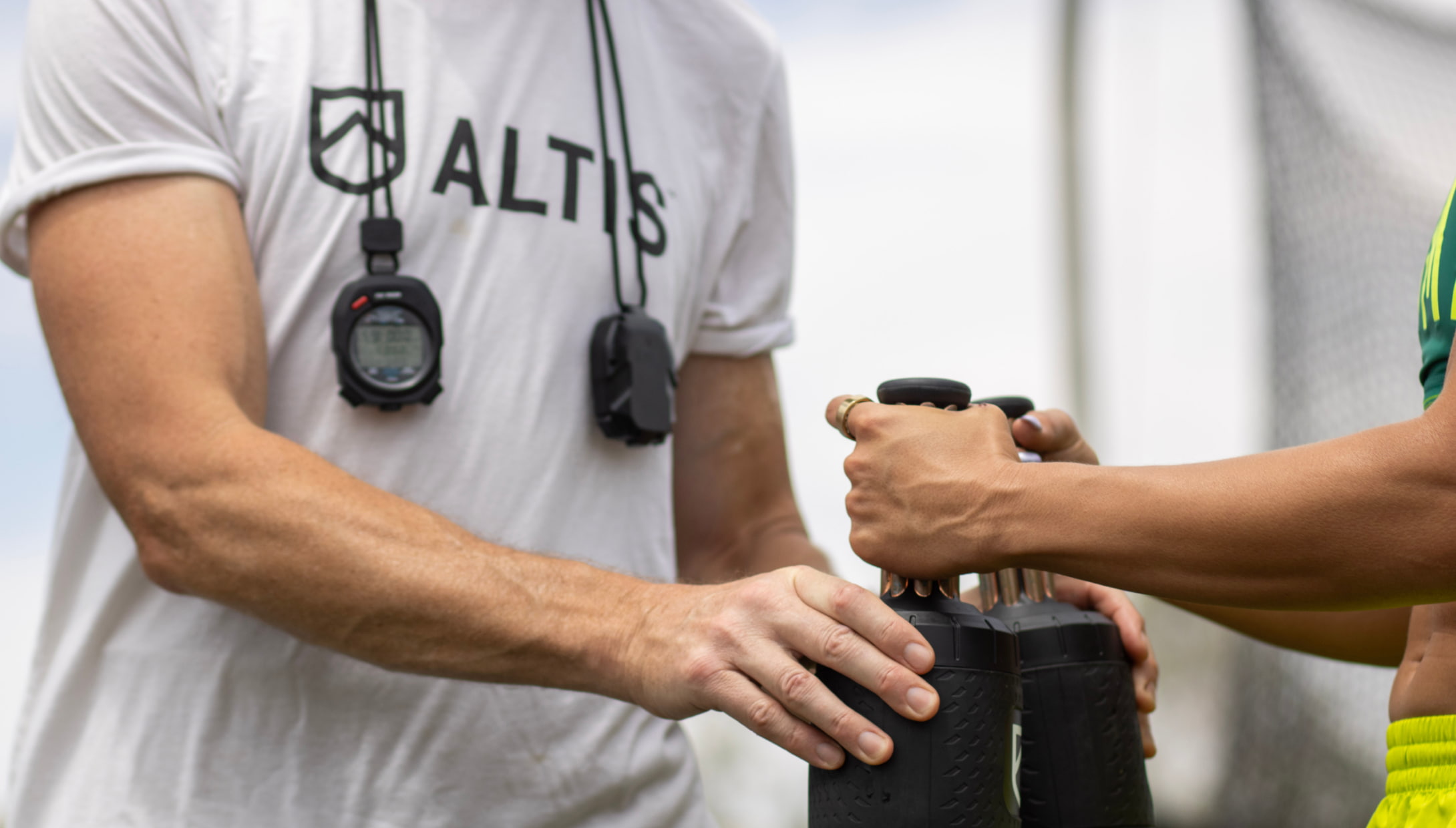
One of the most common use cases for palm cooling is in-game recovery where breaks are short. In this situation, athletes often hold one Narwhal while hydrating or grabbing a snack with great results.
If you need one hand free — for tools, equipment, or training — rest assured that one hand palm cooling is a proven, well-researched choice that delivers real results.
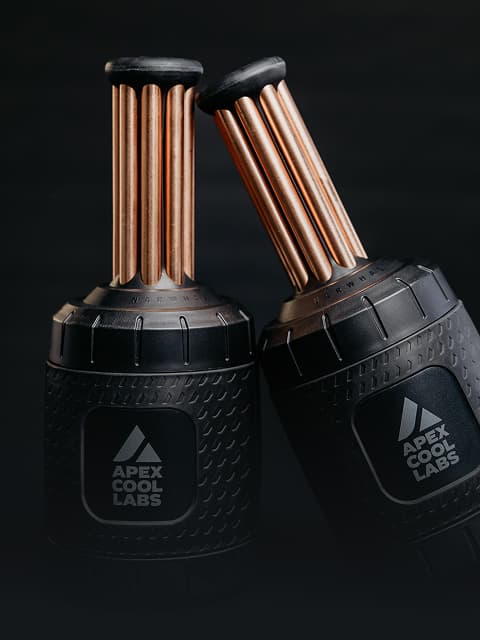
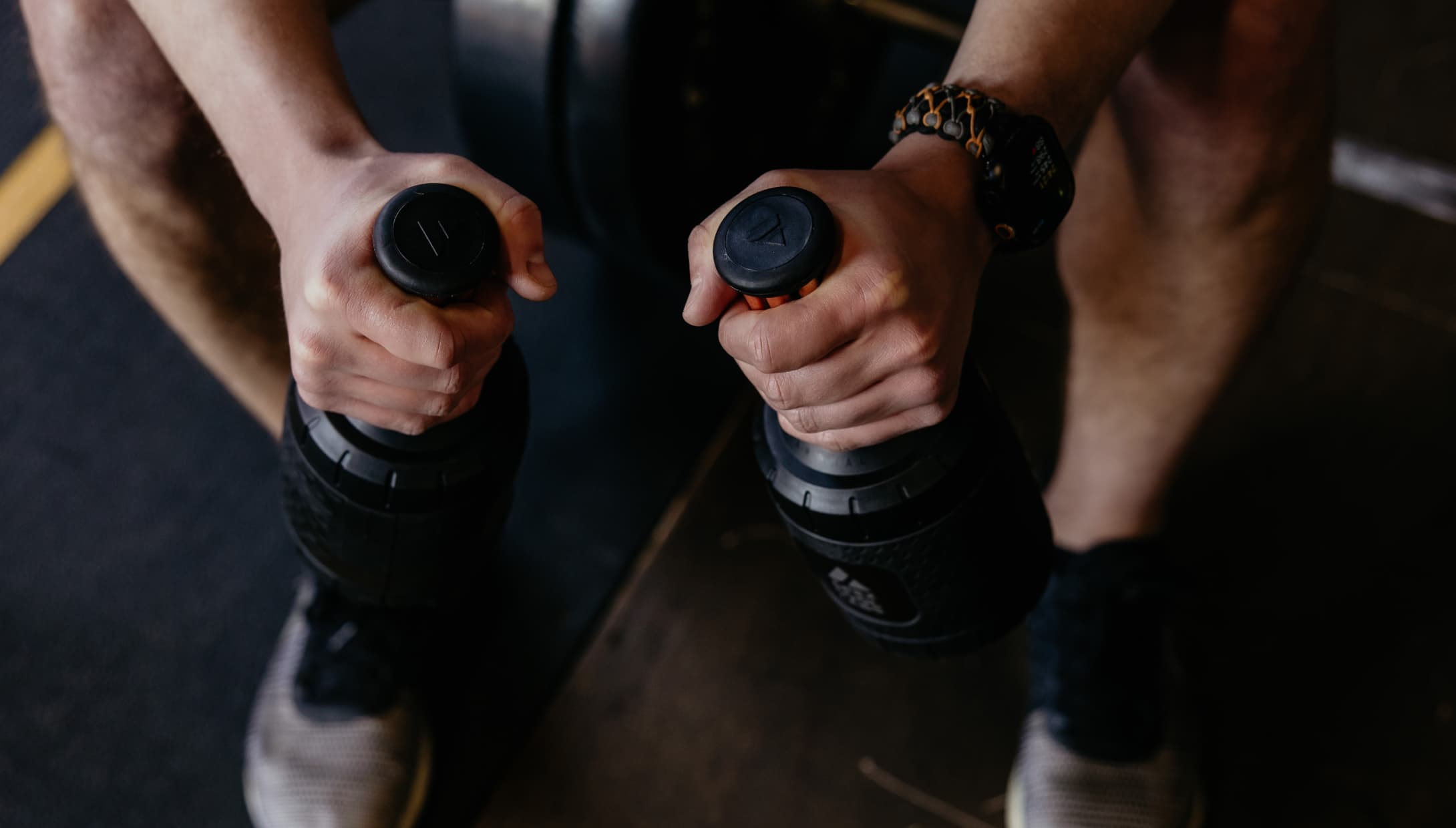
If both hands are available, two Narwhals cool faster from the moment you grab them. The longer your break, the more that advantage adds up.